Ossau-Iraty
Ossau-Iraty – 100g is a traditional, unpasteurised from the picturesque mountains of Pyrenees.
The region hold a fertile grazing land for the milk-giving ewes. It received an AOC protection in 1980. Two breeds of ewes must be used to maintain the AOP (Manech and Basco-Béarnaise).
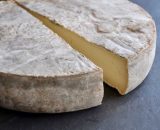
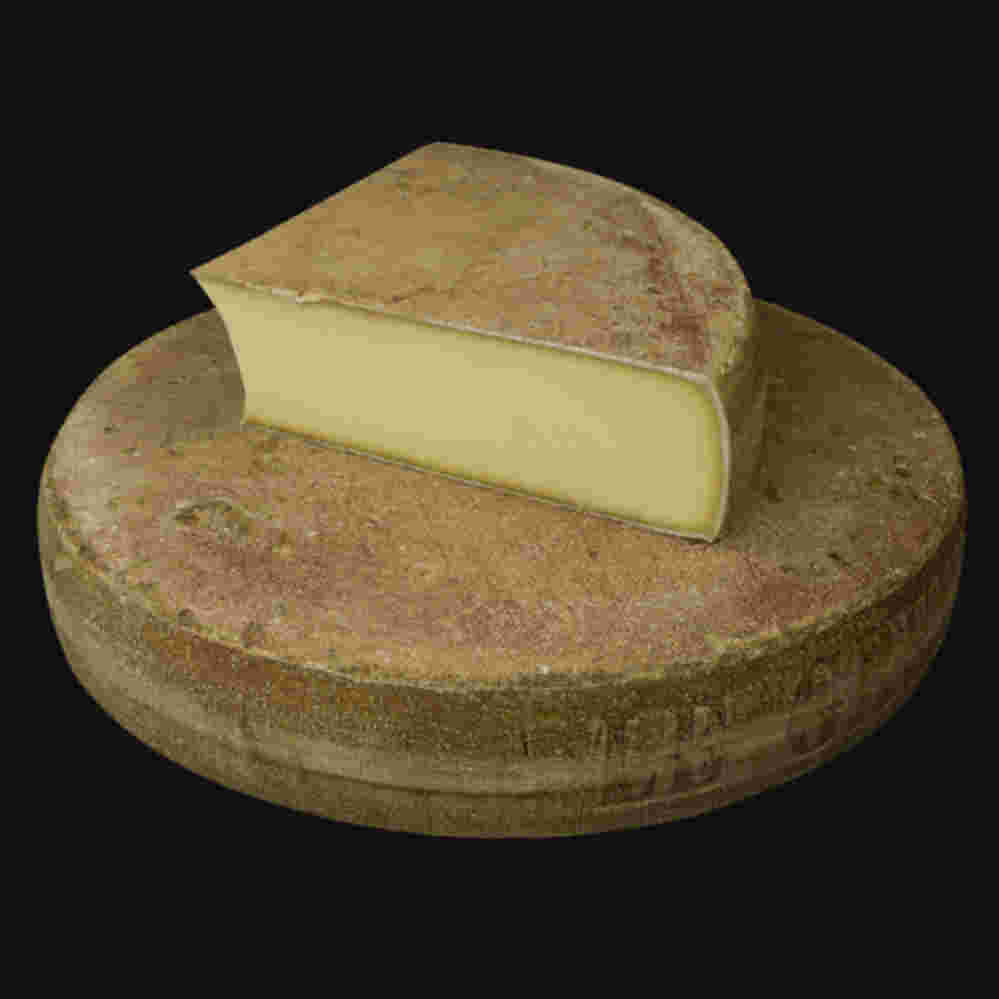
The cheese is uncooked and pressed. His texture is semi-hard. The rind is thick, buff and marked with rust and gray molds. Beneath the brown and orange rind is an ivory white, supple and slightly grainy interior. The mouthfeel is creamy and buttery. During the winter flavours are herbaceous, nutty and fruity. Following summer, the cheeses tend to reveal aromas of grass and flowers.
Matured for at least 6 months, this cheese often comes in a flat cylindrical shape.It tastes delicious with fruity red, full-bodied red or white wines such as Zinfandel, Tempranillo or Syrah.
Did you know about Ossau Iraty?
First, Ossau-Iraty has a very rich history. Once upon a time, the Greek God Apollo had a son named Aristee, a shepherd.
Then, he turned the milk from his herd of sheep into this delicious cheese. Considering a Greek God may not have invented Ossau-Iraty, Cheese maker produce the cheese wheel according to tradition that dates back some 3,000 years. Therefore, this means Ossau-Iraty predates the English alphabet.
They make this cheese in 2 regions: in the southwest of France along the Spanish border—in the Northern Basque Country’s Irati beech forest and in Bearn’s neighboring Ossau Valley. The two places lie in the green rolling foothills of the Western Pyrenees.
The region replies a lot on the production of Ossau Iraty.
As early as the first century, The Pyrenees sheep’s milk cheeses production hits records. Monks often produced wheels in their monasteries. By the 14th century, sheep’s milk cheese was considered a currency. Shepherds and farmers could pay bills and taxes with wheels of cheese.